Personal Reflection: A Journey Through Neurodiversity and Agile
Growing up undiagnosed with ADHD and Dysgraphia made surviving school and navigating a career challenging, frustrating, and sometimes disappointing. Traditional ways of working and learning often left me feeling out of place and misunderstood, as if I was constantly swimming against the tide. The rigid structures didn’t align with how my brain functioned, and it seemed like there was no room for different approaches or perspectives.
Everything changed when I discovered Agile. Agile introduced a new way of working together that transformed not only my career path but also my entire approach to work. The emphasis on collaboration, flexibility, and continuous improvement resonated deeply with me. For the first time, I felt that my unique way of thinking wasn’t just accepted—it was respected and valued. Agile offered me a framework where I could contribute meaningfully without feeling like I was in the spotlight. This experience fuels my passion for helping Scrum teams embrace neurodiversity, creating environments where every team member can thrive.
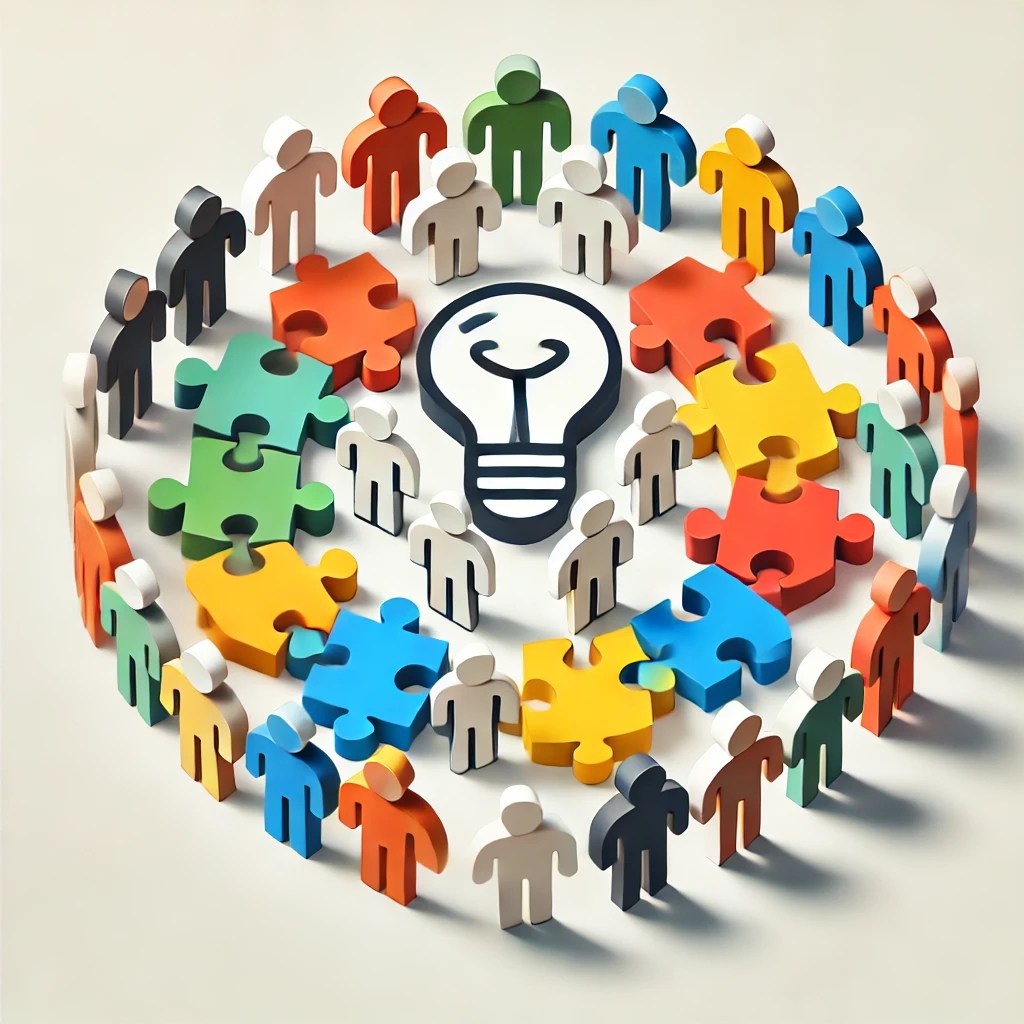
Psychological Safety as the Foundation
For me, psychological safety isn’t just a concept; it’s essential. It’s about creating a space where every team member, no matter how they think or process information, feels comfortable expressing ideas and sharing perspectives. I know firsthand how crucial this is for neurodivergent individuals. When I was finally in an environment where my unique perspectives were respected and valued without being singled out, it was like a weight was lifted off my shoulders.
Why it matters: Neurodivergent individuals, like those with ADHD, autism, or dyslexia, often face environments that feel judgmental or dismissive. Creating psychological safety means acknowledging and appreciating these differences, allowing everyone to bring their full selves to the table. This approach not only unlocks incredible potential but also ensures that each person feels respected and valued for who they are.
Flexibility in Roles
Flexibility in roles was a game-changer for me. I’ve always known that not everyone fits into the same mold, but it wasn’t until I experienced flexible role assignments that I truly thrived. Some of us excel in roles that require deep focus and attention to detail, while others shine in creative problem-solving or strategic planning. Agile taught me the value of tailoring roles to individual strengths, and it’s something I believe every team should embrace, allowing each person to contribute in the way that suits them best.
Why it matters: Neurodivergent team members often have specific strengths that can be harnessed more effectively with flexible roles. For example, someone with ADHD might bring high energy and creativity to brainstorming sessions, while someone with autism could excel in tasks requiring pattern recognition. Flexibility isn’t just about roles; it’s also about accommodating sensory needs or work preferences, whether that means quiet workspaces, flexible hours, or remote work options. These adjustments can be the difference between a team member just getting by and truly thriving, without making their neurodivergence a focal point.
Clear and Inclusive Communication
Communication has always been a double-edged sword for me—sometimes a challenge, sometimes a strength. I’ve learned that clear, inclusive communication is the backbone of successful teams, especially when those teams are neurodiverse. For me, and many others, it’s not just about what’s being communicated, but how.
Why it matters: Neurodivergent individuals process information in diverse ways. For instance, those with dyslexia might prefer visual aids over dense text, while someone with autism might appreciate clear, unambiguous language. Inclusive communication practices are essential for ensuring that everyone is on the same page. They prevent misunderstandings and create a collaborative environment where every voice is heard and valued in a way that respects individual preferences.
Achieving More Together
One of the most profound lessons I’ve learned is that we truly achieve more together, especially when we embrace our differences. Neurodiversity isn’t just about inclusion—it’s about recognizing that diverse perspectives are key to innovation and resilience. My journey has shown me that thinking differently isn’t a hindrance; it’s a strength that, when understood and respected, can drive incredible outcomes.
Why it matters: Neurodivergent individuals often bring fresh, unique perspectives that can lead to innovative solutions. By valuing and supporting these contributions without making them the center of attention, Scrum teams can break free from conventional approaches, leading to more creative and effective outcomes. When we create an environment that appreciates these differences, we build stronger, more innovative teams that are well-equipped to meet the challenges of today and tomorrow.
#Scrum #Agile #Neurodiversity
 The Hustle and Flow